
Article
Decoding Classic Car Categories for Kiwi Enthusiasts
There is nothing quite like the feeling of gripping a thin, wooden steering wheel or hearing the throaty rumble of a V8 engine as you cruise down a New Zealand coastal highway. Whether you are driving past the pohutukawa trees in the Coromandel or navigating the winding roads of the Southern Alps, classic cars turn a simple drive into an event.
But if you have ever spent time at a local car show or browsed listings online, you know the terminology can get murky. Is that 1925 Ford a vintage or an antique? Does a 1980s Japanese sports car count as a classic yet?
For Kiwi motorists, understanding these distinctions helps you appreciate the history sitting in your garage—or the one you are dreaming of buying. This guide breaks down the major categories of classic cars, explores iconic models, and celebrates the unique culture of keeping these machines alive in Aotearoa.
The Grey Area of Definitions
Before we dive into specific categories, it is important to note that definitions often shift depending on who you ask. Insurance companies, car clubs, and transport agencies often have different criteria for what constitutes a "classic."
Generally, a car needs to be at least 20 to 25 years old to be considered a classic in the broadest sense. However, age is just a number. The historical significance, rarity, and style of the vehicle play huge roles in how it is categorized. In New Zealand, where our vehicle fleet is incredibly diverse, we see everything from American iron to British roadsters sharing the same stretch of tarmac.
Antique Cars: The Pioneers of the Road
Time period: Generally pre-1916 (definitions vary up to 1920)
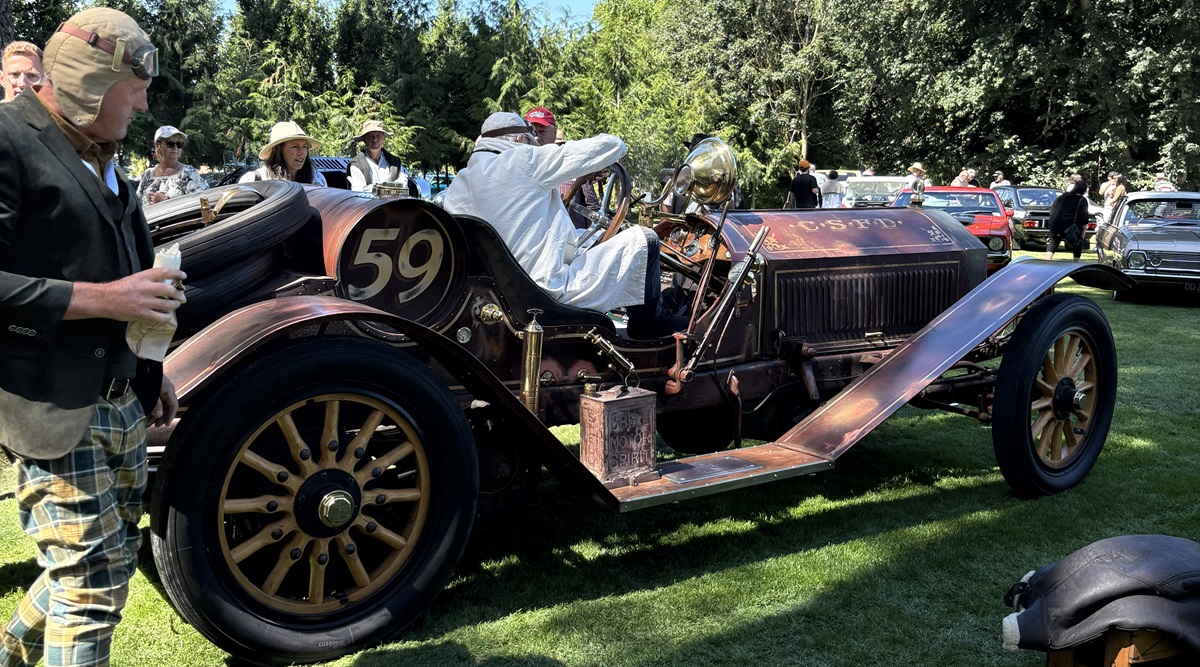
Antique cars are the grandfathers of the automotive world. These vehicles date back to the dawn of motoring. They often feature "brass era" styling, where brass fittings were used for lights and radiators.
Driving an antique car is a physical experience. You are not just steering; you are managing a complex machine that might require hand-cranking to start or adjusting the spark advance manually while driving.
Iconic Examples:
- Ford Model T: The car that put the world on wheels.
- Rolls-Royce Silver Ghost: The standard of early luxury.
In New Zealand, you won't see these on the open road often due to their lower speeds, but they are the stars of heritage parades and museum collections.
Vintage Cars: The Roaring Twenties
Time period: 1919 to 1930
The vintage era marks a significant shift in automotive technology. Cars became more practical, comfortable, and reliable. This was the era of the "Roaring Twenties," and the cars reflected the style and optimism of the time.
Enclosed cabins became more common, meaning you didn't have to get soaked every time it rained—a definite plus for New Zealand weather. These cars are more drivable than antiques but still require a dedicated owner who understands the quirks of non-synchromesh gearboxes and mechanical brakes.
Iconic Examples:
- Ford Model A: A successor to the Model T, offering better speed and controls.
- Austin 7: A tiny British car that mobilised the UK and has a cult following in NZ.
The 'Classic' Car: Post-War Optimism
Time period: Generally 1945 to 1970s/80s
This is the category most people think of when they hear "classic car." Following World War II, automotive design exploded with creativity. We saw the introduction of tailfins, chrome, and powerful engines.
For New Zealanders, this era represents a golden age of motoring. It was a time when cars became expressions of personality rather than just tools for transport. This category is so broad that it is often split into sub-genres like muscle cars and sports classics.
Iconic Examples:
- Chevrolet Bel Air: The epitome of 1950s American style.
- Volkswagen Beetle: The "people's car" that conquered the world.
- Mini Cooper: A tiny legend that handled like a go-kart.
Muscle Cars: Power and Noise
Time period: Mid-1960s to early 1970s
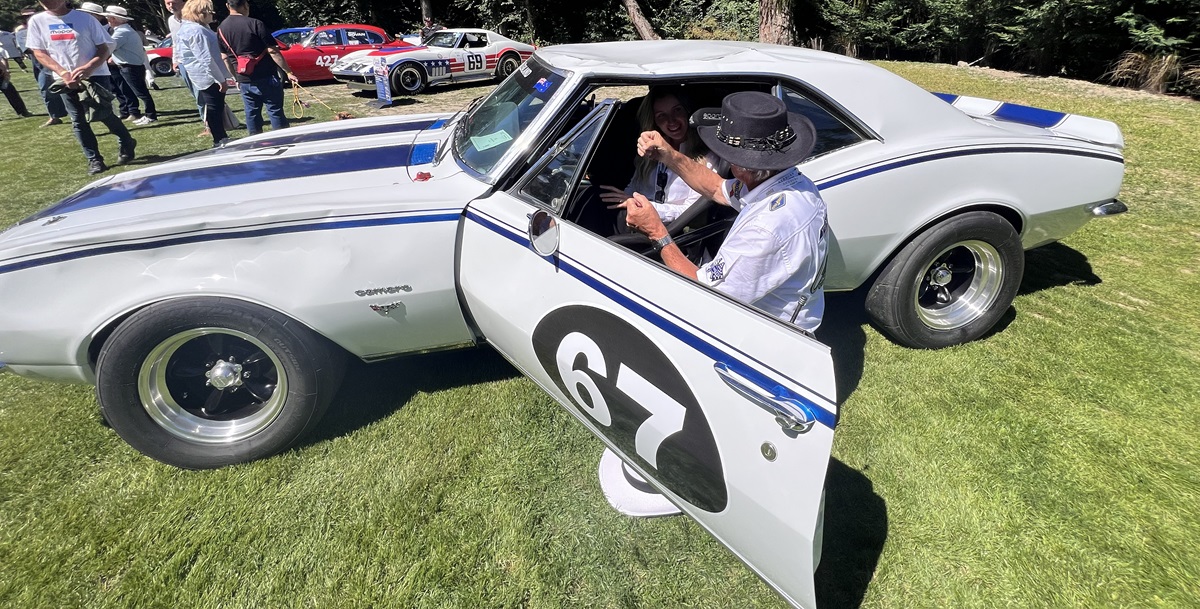
If you love the sound of a V8 echoing off a canyon wall, this is your category. Muscle cars are defined by a simple formula: take a mid-sized car and stuff the biggest, most powerful engine possible into it. They were built for straight-line speed and aggressive looks.
In New Zealand, the muscle car scene is massive. We have a unique mix of American imports and Australian legends. The rivalry between Ford and Holden is etched into Kiwi culture, often sparking friendly debates at every petrol station stop.
Iconic Examples:
- Ford Mustang: The pony car that started a revolution.
- Chevrolet Camaro: The Mustang's eternal rival.
- Holden Monaro: An Australian icon that is highly prized on this side of the Tasman.
- Ford Falcon GT: Another Aussie brute with a massive following in NZ.
Owning a muscle car in New Zealand is about presence. These cars demand attention, consume fuel enthusiastically, and offer a visceral driving experience that modern cars simply cannot replicate.
Sports Classics: Agility over Power
Time period: 1950s to 1970s
While Americans were building straight-line monsters, the Europeans (and particularly the British) focused on handling and driver engagement. Sports classics are typically two-seater convertibles or coupes designed for twisty roads.
New Zealand's geography is practically built for these cars. Our winding coastal roads and mountain passes are the perfect playground for a lightweight sports car. You don't need 400 horsepower to have fun; you just need a balanced chassis and a willingness to work the gears.
Iconic Examples:
- MGB: The quintessential British roadster. Affordable and fun.
- Jaguar E-Type: Often cited as the most beautiful car ever made.
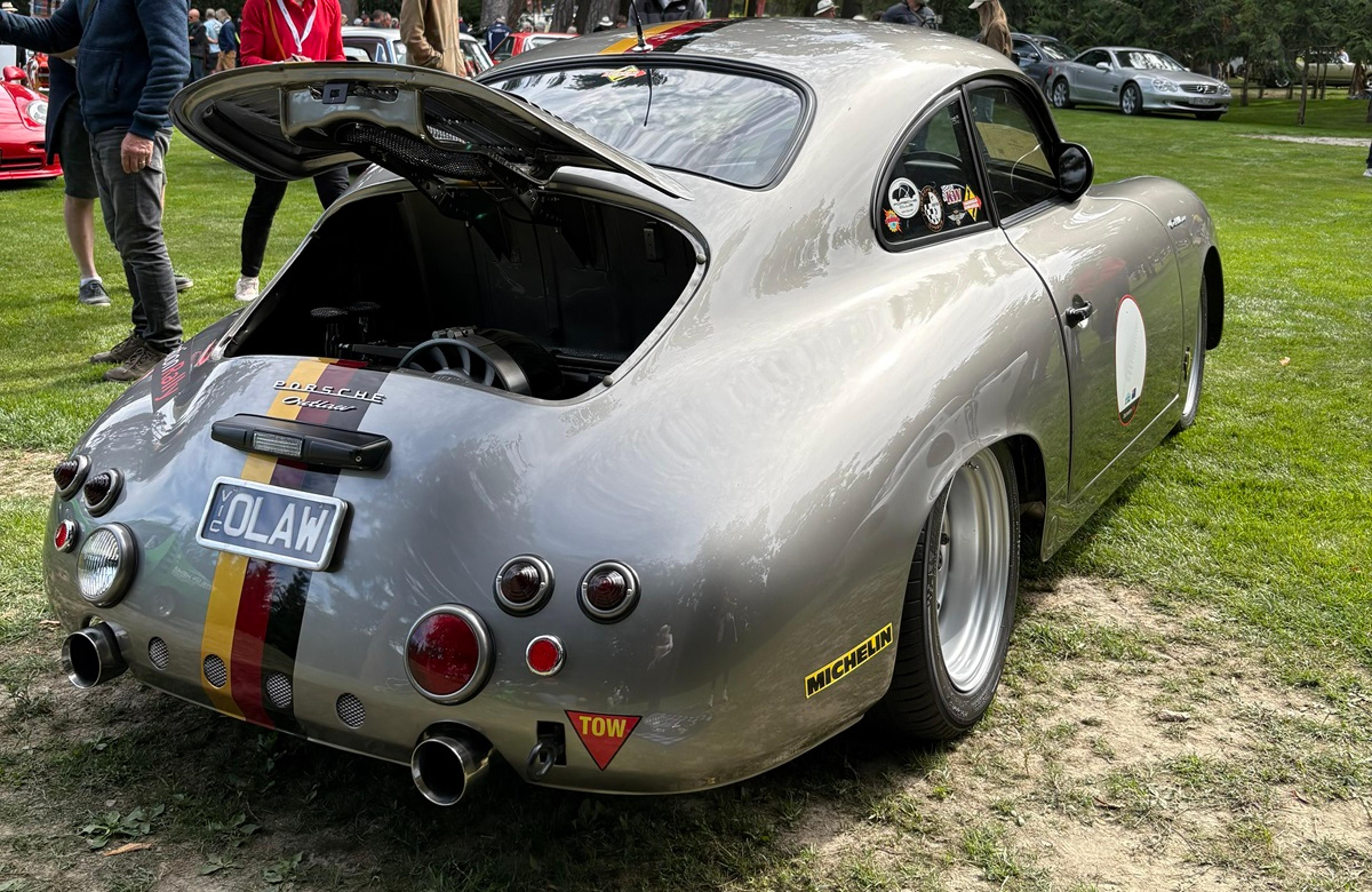
- Porsche 911: The German benchmark for sports car engineering.
- Datsun 240Z: The Japanese sports car that proved Japan could build world-class classics.
The Kiwi Classic Car Scene
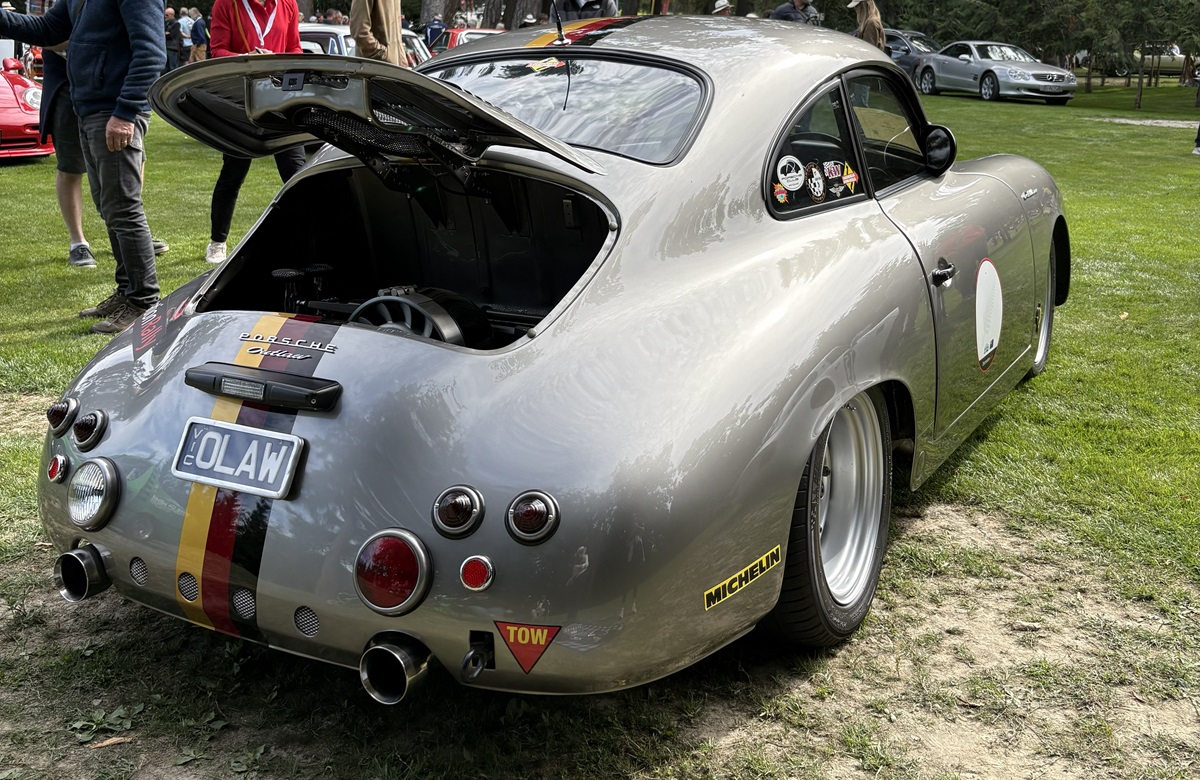
Owning a classic car in New Zealand is about more than just the metal and rubber; it is about the community. We have one of the highest rates of classic car ownership per capita in the world. Why? Because we love to tinker, and we love to drive.
The "No. 8 Wire" Restoration Culture
Kiwis are famous for their ingenuity. Restoring a classic car here often involves a bit of "Kiwi ingenuity" or the "No. 8 wire" mentality. Parts for rare models can be hard to ship to the bottom of the world, so local restorers have become masters of fabrication and repair. There is immense satisfaction in bringing a rusted hulk back to showroom condition using your own hands and skills.
Events and Car Shows
The social calendar for a classic car owner is packed. From the massive Beach Hop in Whangamata, which celebrates 50s and 60s culture, to the prestigious Concours d'Elegance events in Auckland, there is always somewhere to show off your ride.
Local "Cars and Coffee" meetups happen in almost every town on weekends. It is a friendly environment where a pristine Ferrari might be parked next to a lovingly restored Holden Kingswood. The lack of pretension is what makes the scene so inviting.
The Joy of the Drive
Ultimately, the best part of owning these categories of cars in New Zealand is the driving. We are blessed with scenery that matches the beauty of the cars. Taking a vintage Bentley through the Art Deco capital of Napier, or blasting a muscle car along the Desert Road, creates memories that modern commuting just can't provide.
Keeping History Alive
Whether you are drawn to the elegance of a vintage tourer, the raw power of a muscle car, or the agility of a sports classic, there is a category for every taste.
These cars are rolling history lessons. They remind us of a time when design was dictated by a stylist's pen rather than wind tunnel data. Maintaining and driving them keeps that history alive for the next generation to admire.
If you have been sitting on the fence about buying a classic, or if you have an old project collecting dust in the shed, now is the time to get involved. The New Zealand classic car community is waiting to welcome you—grease, gears, and all.
---
Oh by the way, if you're looking for a great insurance option for your classic, just follow this link and our team can help.