
Article
The Ferrari 250 GTO: Why This Legend Costs a Fortune to Insure
Imagine driving a piece of art that is worth more than a private island. That is the reality for the lucky few who own a Ferrari 250 GTO. It’s widely considered the Holy Grail of car collecting. But with great value comes an equally impressive insurance premium.
For most of us here in New Zealand, classic car insurance involves agreeing on a value that reflects the market and our restoration efforts. But when the car in question is worth tens of millions of dollars, the rules change completely.
Let’s look at why this specific Prancing Horse commands such a high price to protect and what it teaches us about insuring our own cherished classics.
The King of the Classics
The Ferrari 250 GTO was produced between 1962 and 1964. Ferrari made only 36 of them (plus three with a slightly different engine). This extreme rarity is the first clue to its value.
Originally, these cars cost about $18,000 in the United States (around $28,000 NZD today). Today, they change hands for sums that are hard to comprehend. In 2018, a 1963 model reportedly sold in a private transaction for $70 million USD (over $110 million NZD).
Why is it so special?
It isn’t just about the badge. The 250 GTO was the pinnacle of Ferrari’s engineering at the time. It was designed to win races, and it did. It won the World Sportscar Championship three years in a row.
The car features a 3.0-litre V12 engine that produces around 300 horsepower. That might sound modest by modern supercar standards, but in a car that weighs just over 880 kilograms, it is lightning quick. The bodywork is stunning, hand-beaten aluminium designed by Scaglietti. Every curve serves an aerodynamic purpose, yet the result is undeniably beautiful.
When you combine race-winning pedigree, limited numbers, and breathtaking beauty, you get the most valuable car in the world. And naturally, the most expensive to insure.
Breaking Down the Insurance Cost
So, how much does it cost to insure a $100 million car? It isn’t as simple as punching numbers into an online quote generator.
Industry experts estimate that the annual premium for a Ferrari 250 GTO could easily range from $100,000 to $200,000 USD (about $160,000 to $320,000 NZD), depending on usage. That is the price of a brand-new luxury car, paid every single year just for peace of mind.
Several factors drive this cost up.
1. Replacement Value
The biggest factor is the agreed value. If the car is a total loss, the insurer is on the hook for a massive payout. In the world of insurance, this is an incredibly high concentration of risk. Most standard insurers in New Zealand — or anywhere else — won’t touch it because a single claim could bankrupt a smaller department.
2. The Cost of Repair
If you damage an everyday standard car, you can generally fix it quite easily, with spare parts often more readily available. If you dent the hand-formed aluminium fender of a 250 GTO, you can’t just order a part from a catalogue.
Repairs require specialist artisans who use period-correct tools and techniques. The paint has to be matched perfectly. The metalwork must be flawless. Even a minor parking mishap could result in a repair bill that costs more than an average house.
3. Usage and Storage
Insurers need to know where the car sleeps. A vehicle like this requires a climate-controlled, high-security facility. It likely needs 24-hour surveillance.
Then there is the question of driving. If the owner plans to race it at classic events like Goodwood or take it on a tour, the risk skyrockets. A car sitting in a vault is safe; a car doing 240 km/h on a racetrack is a different story.
What This Means for Kiwi Motorists
You might not have a Ferrari 250 GTO in your garage. Most of us don’t! But the principles of insuring high-value classics apply whether you own a million-dollar Aston Martin or a sentimental Holden Kingswood.
Here is how you can approach insurance for your own classic.
Agree on the Value
Standard market value policies often don’t work for classics. A 1970s Ford Escort might legally be an "old car," but to a collector, it is a highly desirable classic.
You need an "Agreed Value" policy. This means you and the insurer agree on what the car is worth before the policy starts. You often need a valuation certificate from a recognised expert or car club. This ensures you get the full value if the worst happens, rather than a depreciated "book value."
Choose a Specialist
General insurers are great for your daily driver. But they might not understand why sourcing a specific carburettor for your Triumph Spitfire is so expensive.
Specialist classic car insurers in New Zealand understand these cars. They know that you probably drive fewer kilometres than a commuter. They understand that you look after the car better than a standard vehicle. Because of this, specialist policies often have lower premiums than you might expect, provided you meet their criteria (like limited mileage or garage storage).
Consider Your Usage
Be clear about how you use the car. Do you only drive it on Sundays? Do you take it to car shows?
Some policies have strict mileage limits. If you plan to do a big tour of the South Island, check that your policy covers that distance. Also, be aware that standard policies rarely cover you on a racetrack. If you want to do a track day, you will need specific track day cover.
The "Laid Up" Option
If you are restoring a car and it isn’t roadworthy yet, you still need cover. Fire, theft, or a shelf falling on the roof can still happen.
Look for "laid up" or restoration cover. This protects the vehicle while it is off the road. It is usually cheaper than full road cover and ensures your project is protected while you pour hours of hard work into it.
The Value of History
The Ferrari 250 GTO is a reminder that cars are more than just transport. They are history, art, and passion rolled into one. While the insurance costs for the world’s most expensive car are eye-watering, they reflect the immense value we place on preserving these machines.
For us in New Zealand, the scale might be different, but the sentiment is the same. We insure our classics not just because they cost money, but because they mean something to us. Whether it’s a rotary Mazda or a vintage Austin, it deserves the right protection so you can enjoy the drive without worry.
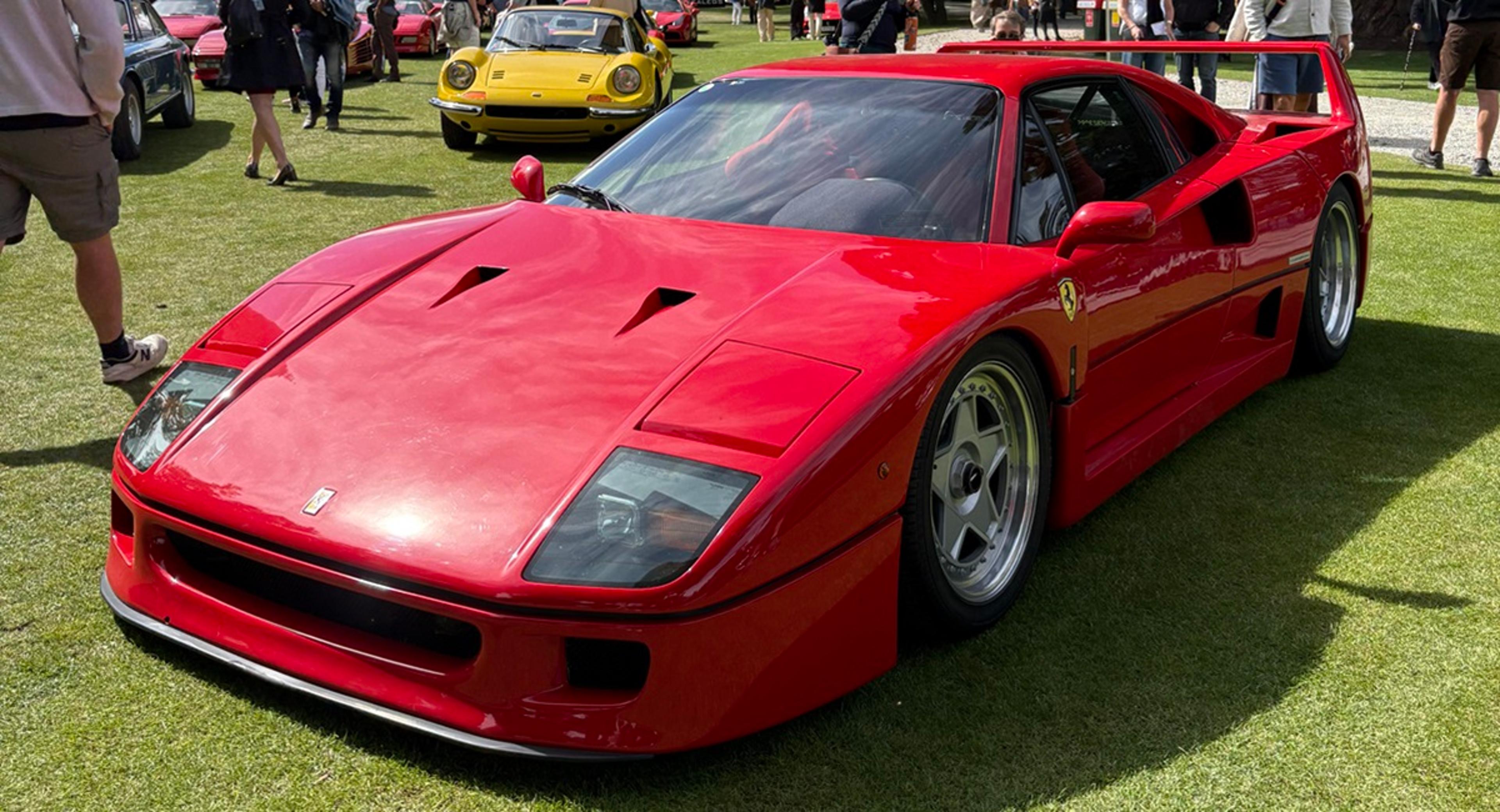
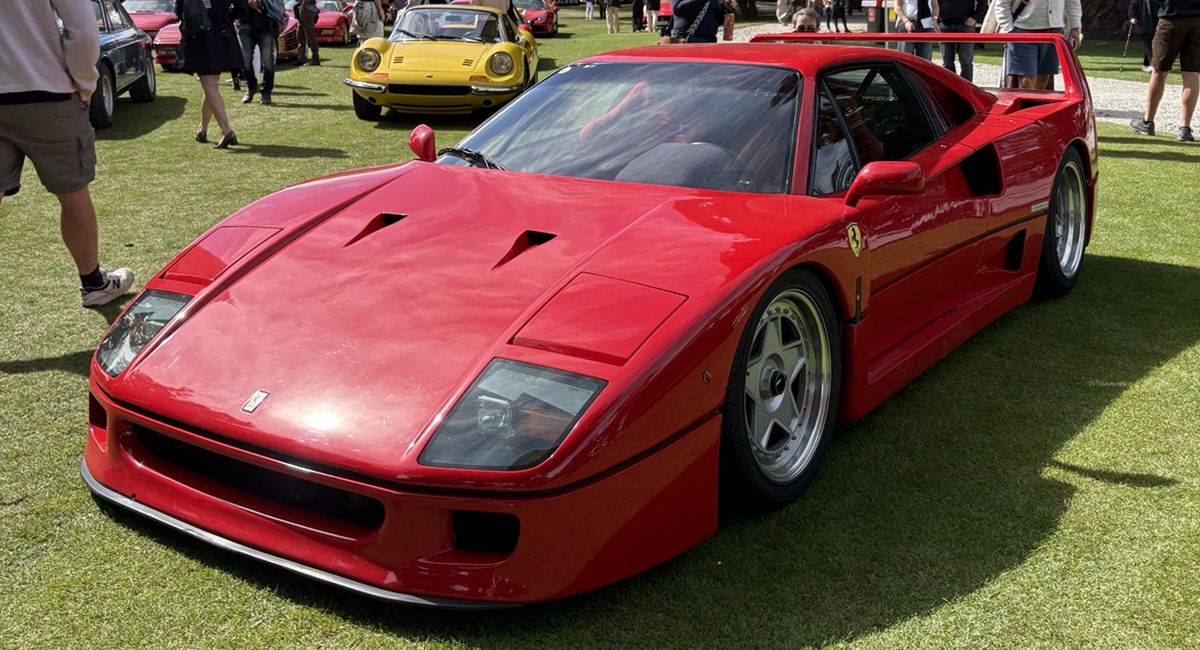
A Ferrari F40 at the 2026 Ayrburn Classic
---
Oh by the way, if you're looking for a great insurance option for your classic, just follow this link and our team can help.